
Special Interest Group for Upper Limb
About SIGUL
Scope
The Special Interest Group for Upper Limb strives to serve as a platform for all involved with persons with upper limb difference (not limited to prosthetists, technicians, rehabilitation specialists, physiotherapists, occupational therapists, surgeons, engineers, researchers, students and patients) for further collaboration, and to increase exchange of knowledge. The group can serve as a place to identify common international themes, to share best practices, and to inform the focus for conferences.
Objectives:
- To create an overview of teams / healthcare professionals involved in the scope of the SIG.
- To facilitate partnership between members of SIGUL to discuss complex treatment-related issues.
- To create a core outcome set for upper limb prosthetic treatment to facilitate international collaboration.
- To create a knowledge agenda aimed at identifying the obstacles in the field of upper limb treatment. This can help to inform the focus of ISPO related events.
- To organize a joint meeting during the ISPO Int’l World Congress or at other ISPO events at least every two years.
Increase the visibility of your Clinic / Research Unit!
Are you working on upper limb difference? Share your clinic / research unit on the this website. Just fill out this quick form and showcase your work to a global audience!
Events & Activities

Two major conferences on upper limb prosthetics are the MEC and TIPS. Both are normally organized every three years. The last MEC was in 2024; the last TIPS in 2025.
As soon as more information on the next MEC or TIPS is available, it will be published here as well.
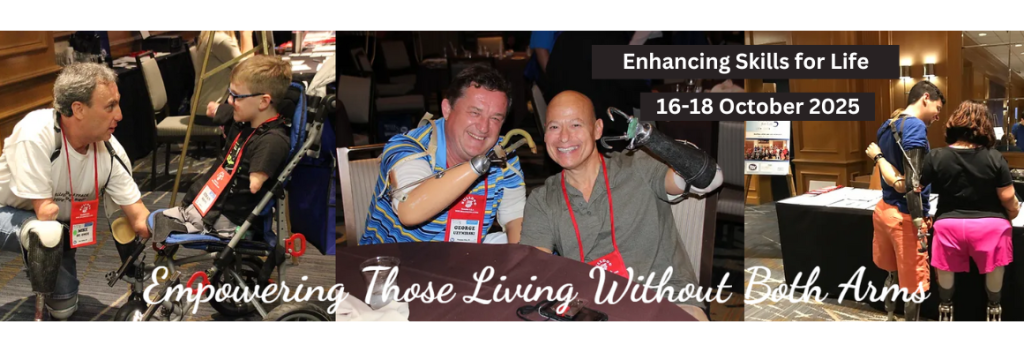
Enhancing Skills for Life (ESFL) is excited to be hosting Skills for Life: Bilateral Upper Limb Loss Workshop which is taking place October 15-18, 2025 in Houston, TX. This will be the 7th time this unique workshop will be held. The triennial SFL Workshop has developed into an internationally recognized event with over 75 people living without both hands or all four limbs from all over the world in attendance. The 3-day workshop includes a program that will feature a series of talks devoted specifically to issues faced by individuals living without both hands or all four limbs and their family members/caregivers. Presenters will include individuals living with bilateral upper limb or quad limb difference, therapists, prosthetists, physicians and others. Subscribe to our newsletters, bookmark our website, or follow us on FB.
Contact:
info@enhancingskillsforlife.org
Website:
https://www.enhancingskillsforlife.org/skills-for-life
Event
- Register for Skills for Life 7. FREE for individuals living without both hands or more.
- Book your hotel roomat the Houston Marriott Sugar Land. Guaranteed rate of $185/night until our block sells out or September 29th.
- CEU’s: ESFL will apply to ABC and TOTA for continuing education credits for healthcare professionals.
- Mark your calendar for a “pre-conference, clinicians only” workshop on October 15th that will focus on the fitting and training of people living without both hands or all four limbs.
- ESFL offers scholarships, up to $1,200USD per recipient, to help offset or cover travel and lodging costs associated with attending the SFL Workshop. Spread the word to those who would benefit. Scholarship Application.
Resources
On the Members Only subpages, an extensive list of publications related to upper limb difference will be made available in due time.
Manufacturers of upper limb products
Please note: ISPO or SIGUL do not endorse nor approve any information and/or product of these manufacturers
- Aether Biomedical (https://www.aetherbiomedical.
com/) - BioNT Labs (https://bionitlabs.com/)
- Coapt (https://coaptengineering.com/)
- College Park (https://www.college-park.com/)
- Covvi (https://www.covvi.com/)
- Fillauer (https://fillauer.com/)
- IBT (https://www.i-biomed.com/)
- Koalaa (https://www.yourkoalaa.com/)
- LTI (https://www.liberatingtech.com/)
- Metacarpal (https://www.metacarpal.co.uk/)
- Moveable (https://www.moveable.nl)
- Naked Prosthetics (https://www.npdevices.com/)
- Open Bionics (https://openbionics.com/)
- Ossur (https://www.ossur.com/)
- Otto Bock (https://www.ottobock.com/)
- Partial Hand Solutions (https://partialhandsolutions.com/)
- Point Designs (https://www.pointdesigns.com/)
- Rebel Bionics (https://rebelbionics.com/)
- Steeper (https://www.steepergroup.com/)
- Taska (https://www.taskaprosthetics.com/
- Texas Assistive Devices (https://n-abler.org/)
- Toughware (https://toughwareprx.com/)
- TRS (https://www.trsprosthetics.com/
- Vincent Systems (https://www.vincentsystems.de/)
SIGUL Institutions
Guidelines
- UCLA Upper Extremity Amputations Manual
https://www.oandplibrary.org/reference/uclamanual/ - Artificial Limbs – a review of current developments 1955
https://www.oandplibrary.org/al/pdf_raw/1955_01_raw.pdf - BSRM Amputee and prosthetic rehabilitation – standards and guidelines
https://www.bsrm.org.uk/downloads/prosthetic-amputeerehabilitation-standards-guidelines-3rdedition-webversion.pdf - ICRC manufacturing guidelines
https://www.icrc.org/en/doc/resources/documents/publication/p0868-1.htm - Care of the person following amputation
https://aci.health.nsw.gov.au/__data/assets/pdf_file/0004/361687/ACI-Care-person-following-amputation-interactive.pdf - New York upper-limb prosthetics manual
https://archive.nyu.edu/handle/2451/43656 - Atlas of limb prosthetics
https://www.oandplibrary.org/alp/
https://www.lww.co.uk/9781975184452/atlas-of-amputations-and-limb-deficiencies/ - VA/DoD clinical practice guideline for the management of upper limb amputation rehabilitation
https://www.healthquality.va.gov/guidelines/Rehab/ULA/ - One Hand Project
https://www.ic2a.eu/onehand/
Patient Journey & Treatment Team
No matter whether you are a clinician new to the area, a person with limb absence, a family member, a researcher new to the field, or just generally interested, these pages aim to give you a brief introduction to the people you may encounter, their job roles and the types of devices that may be available.
Rehabilitation process and the multi-disciplinary team involved.
People within the team and their role
- Rehabilitation Consultant
- Prosthetist/Orthopaedic Technologist
- Physiotherapist
- Occupational Therapist
- Nurse
- Psychologist
- Orthopaedic surgeon
- Prosthetic/Orthopaedic Technician
Please note: not all multi-disciplinary teams are composed of all disciplines mentioned above. Some team members maybe active on demand only.
Process of Prosthetic Treatment/Intervention
- Initial Consultation/Assessment: Physical, developmental and functional assessments are carried out by a multi-disciplinary team including therapists, prosthetists, physicians, etc. The team focusses on the person’s abilities and provides recommendations to reflect their goals, including prosthetic treatment. Some of the important aspects of the initial evaluation including cause of limb absence, hand dominance, range of motion status of opposite extremity, phantom and residual limb pain, possible myoelectric sites, goals and expectations.
- Pre-prosthetic training/Post-surgery therapy: This stage is important to prepare the residual limb for future use of a prosthesis. Pre-prosthetic preparation includes: shaping and shrinking of the residual limb, desensitization, maintaining range of motion, maintaining skin mobility, increasing muscle strength, maximizing functional independence, orientation to adaptive equipment, change of dominance if necessary, determining myoelectric sites and strengthening, and exploration of and orientation to appropriate future goals with a prosthesis.
- Selection of components: Dependent upon the goals identified at the initial evaluation, appropriate components should be comprehensively discussed. The unique differences between body-powered and electrically powered components should be described, and examples of each should be shown and demonstrated if possible. An overview of the advantages and disadvantages of each should be clearly explained.
- Interface/Socket design: After assessment and evaluation, an appropriate interface or socket is designed that will be customized for optimal function, provide adequate suspension, and comfort, whilst supporting the components of the prosthesis.
- Evaluation/EMG testing (for electrically powered prostheses): Control strategies are chosen after muscle testing is completed. The muscle belly is palpated and an electrode is placed along the muscle fibers, as the muscle belly provides the strongest signal. Good skin contact and constant electrode pressure along with well-calibrated electrode sensitivity ensures good control of the prosthesis. Software with virtual controls training provides visual feedback of EMG signals, biofeedback, and trains clients how to perform repeatable, consistent signals.
- Shape Capturing/Casting: The shape of the residual limb is captured in different ways by the prosthetist i.e. plaster bandages, silicone impressions or scanning the limb. Bony landmarks are identified and, where relevant, the electrode sites are marked and transferred to the socket/diagnostic interface.
- Diagnostic interface or socket check: After assessment and evaluation, an appropriate interface or socket is designed that will be customized to provide suspension, comfort and to support the components of the prosthesis. A diagnostic interface or test socket is used to evaluate pressure points or sensitive areas and can be adjusted or modified for comfort. A variety of materials can be used in the design of an interface or socket including laminates, such as acrylic resins, thermoplastics or silicone.
- Provision of prostheses or adaptive aids: A prosthesis is provided to the client that will meet their goals. Proper technique in putting on and taking off (donning & doffing) of the prosthesis is practiced, and proper socket fit and electrode placement is reinforced. The team ensures that the client has good Range of Motion, and is able to control the prosthesis in different activities. Other important components of this process include; orientation to a gradual wearing program, checking the skin for good electrode contact, educating the client and family about battery charging, instruction in proper hygiene of the residual limb, as well as an orientation to cleaning and maintaining their prosthesis. Adaptive aids may be provided at this time as well.
- Functional Evaluation/Training: To ensure successful use of the prosthesis and integration of the prosthesis into meaningful daily activities, experienced prosthetic training is required. The progression of functional training includes controls practice, basic grasp and release of items, and a progression from simple to more complex unilateral and bilateral tasks. The emphasis should be on two-handed (bilateral) tasks where the prosthesis is utilized as a functional assist. The calibration of the electrodes is assessed as the client performs functional training with two-handed(bilateral) activities. For example, if a client is frequently dropping items, the sensitivity for the open electrode can be adjusted accordingly. This can be initially performed in conjunction with the prosthetist to assure proper calibration.
- Outcome Measures: The clinical team uses multiple outcome measures to track progress over time. Using a combination of assessments that capture the person’s goals, functional use and quality of life provides the team with a holistic picture of how they are performing with their prosthesis and how useful they find it in achieving their goals. Adapting the treatment plan based on outcome measures is crucial for ensuring continuous improvement and achieving the best possible rehabilitation results
- Follow-up: The team schedules follow-up appointments according to the person’s needs, monitors physiological changes and modifies the treatment plan accordingly. During follow-up, the team monitors the person’s physical status and activity interests over the course of their lifespan. The team determines if their current prosthetic device is meeting their needs or if different prosthetic components are available that could enhance the performance of their daily activities.
Prosthetic devices for the upper-limb
The loss of a hand or arm has a heavy impact on a person’s life. To compensate the lost motor functions, tactile sensation, proprioceptive feedback, and aesthetic appearance to some extent several types of prostheses are currently available.
Types of prostheses
- Passive: A passive prosthesis can also be referred to as a “passive functional prosthesis” or “aesthetic restoration”. The “function” of a passive hand is demonstrated when it acts as an assist to the sound hand in certain functional activities such as holding items down or supporting the weight of heavy objects when using both arms. Passive hands are available with internal wires that can pre-position the fingers.
- Body-powered: In a body-powered prosthesis shoulder and/or arm movements operate the terminal device, and/or the elbow, usually by means of a shoulder harness and cable. Various body-powered prostheses are available on the market. They differ in functionality, grip patterns, size, appearance and control.
- Externally powered prosthesis: In the late 1950’s and early 1960’s the use of external power was introduced as another option to control upper limb prostheses. An externally powered prosthesis has a motor with batteries and is operated by an electromyographic (EMG) signal, linear transducers or by control switches. It provides a more self-contained prosthesis, is more pleasing in appearance and less encumbered by the shoulder harness. The standard control system uses 2 muscles (generally agonist and antagonist). Myoelectric control is also possible with only 1 signal but limits the functionality und usability. Various myoelectric hand prostheses are available on the market. They differ in functionality, grip patterns, size, appearance and control.
- Hybrid Prosthesis: For levels such as a transhumeral or shoulder disarticulation, complete electric prostheses, or complete body-powered prostheses do not always meet the functional needs of the client. The added weight of a total externally powered prosthesis is often contraindicated as well. Additionally, myoelectric sites may not be available for a totally electric prosthesis. In these instances, a hybrid design that combines a body-powered component with an electric component is a preferred alternative. The most common hybrid design combines a body-powered elbow and an electric hand or electric terminal device (ETD)/ aka electric hook.
- Activity Specific Prosthesis: Individuals missing a hand or parts of an arm often have sufficient strength, motivation and talent to be successful in a sport, recreational pursuit, or work-related activity, but they lack the ability to participate. A specialized prosthetic accessory, or modified sports equipment, will allow them to participate. Successful participation in a favourite sport, or work related activity, can often be the key to unlocking an individual’s overall well-being and functional independence.
Information specific to children
Children are resilient and are capable of learning how to manage tasks in their daily lives whether they are born with limbs intact or with limb differences. Treatment options for children with limb differences vary depending on the child’s anatomy, their family situation, the physical and social environment in which they live.
The rehabilitation goal for children with limb differences is to enable them to live as any other child would. They should be able to participate in the same activities at the same level as their peers. There should be no restrictions related to the limb difference. This may be accomplished through use of a prosthesis, adaptations to the environment (i.e. specific equipment), or adapted methods of performance.
If the child is fitted with a prosthesis at an early age, encouraged to wear it and taught how to use it, they will learn how to use it to accomplish important activities using the prosthesis. If a child chooses not to use a prosthesis, he or she will learn to do important activities in other ways, usually using the residual limb or other body parts to compensate for the missing limb.
Whether a child uses a prosthesis or not, it is important that they be followed throughout their childhood to ensure they continue to meet expected developmental milestones and that they receive training and support to encourage independence in their activities of daily living. The child’s needs will change as they enter different stages of life through childhood into adolescence and then into adulthood. It is important to reassess the child at these transition periods to ensure that the individual has the skills and support to assure independence at each stage of life. At these times, treatment options should be reconsidered, as a particular type of prosthesis or adaptive equipment may be requested. Psychosocial issues must also be considered.
Information relating to pain
Various types of pain can be experienced by individuals who have undergone upper limb amputation, such as phantom limb pain (PLP), residual limb pain, neuroma pain, and musculoskeletal pain, along with overuse complaints. Effective pain management enhances the quality of life and the effectiveness of rehabilitation for amputees. Pain management in upper limb amputees requires a multifaceted approach that includes both pharmacological and non-pharmacological interventions and must be tailored to the individual’s specific type of pain and circumstances.
- Phantom Limb Pain (PLP): Affecting 50-80% of amputees, PLP is challenging to treat. Current evidence suggests a trial of paracetamol, NSAIDs, duloxetine, gabapentin, or pregabalin as first-line pharmacological treatments. Mirror therapy and TENS are non-pharmacological treatments with some evidence of efficacy. However, the long-term benefits of psychological interventions are not well-established, and invasive treatments are not recommended due to low-quality evidence and potential side effects.
- Residual Limb Pain: It is crucial to explore mechanical causes, such as prosthesis fit or infections, first. Desensitization through gentle massage and tactile stimulation is recommended despite the lack of research evidence. Treatment options similar to those for PLP may be considered, except for mirror therapy, which is specific to PLP. The effectiveness of invasive treatments is not supported by strong evidence.
- Neuroma Pain: Adjusting the prosthesis to relieve pressure on the neuroma is a common first step, followed by TENS and pharmacological treatments. Surgical removal is an option if pain persists, but results vary. TMR (targeted muscle reinnervation) and RPNI (regenerative peripheral nerve interface) are promising techniques not yet standard in clinical practice.
- Musculoskeletal Pain and Overuse Complaints: Amputees experience significantly more musculoskeletal pain than the general population, likely due to altered biomechanics and increased load on the non-amputated limb. Preventive advice includes striving for symmetry in task performance, using prostheses or ergonomically designed tools, and engaging in muscle strength training. Treatment does not differ significantly from that for individuals with two intact arms.
- Psychosocial issues: In addition to the physical challenges associated with upper limb absence, there are numerous psychological and social consequences that individuals may encounter. Emotional responses can prove challenging; levels of depression, anxiety and post-traumatic stress are higher in people with limb absence than those found in the general population. Body image is also an important psychosocial consideration. How we look and indeed how we move can influence the view of ourselves, our sense of identity and agency as well as on personal relationships and how we interact with others. Limb absence can sometimes give rise to feelings of social discomfort, public self-consciousness, and perceived social stigma. The social impact of limb absence can be substantial, and may require negotiation of evolving roles, relationships and identities. A psychosocial perspective emphasises a broad profile of personally meaningful outcomes. Focusing solely on physical, clinical or prosthetic can unintentionally diminish important psychological and social outcomes. It is also important to carefully define what is meant by successful prosthesis use, if the person chooses to use a prosthesis. For many, the focus is not on how many hours they wear their prosthesis but on what the prosthesis enables them to do and the meaning that they ascribe to it. Prostheses can have value beyond their functional potential representing represent future goals, a sense of purpose, independence and autonomy, a source of confidence or aesthetic meaning. It is important to focus on enabling individuals to reach the goals they set for themselves. Being aware of such outcomes alongside and in addition to physical sequelae, knowing how to appropriately and meaningfully measure them, and identifying appropriate psychosocial interventions may enable the multi-disciplinary team to contribute more holistically to the person living well with limb absence.
This insight into Psychosocial Issues was provided by Prof. Pamela Gallagher from Dublin City University, Ireland & the Dublin Psychoprosthetics Group. We would like to thank her for this contribution. If you have any questions or comments regarding this article, please feel free to contact us at sigul@ispoint.org.
Need more info?
On our Members Only pages you may find extensive additional information. Please join us!
Our group is happy to answer any of your questions. Please email us at sigul@ispoint.org.
SIGUL Founding Members

Alix Chadwell
Researcher
United Kingdom
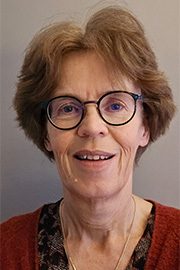
Corry van der Sluis
Professor
Netherlands
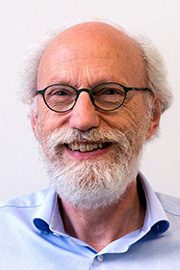
Dick Plettenburg
Mechanical Engineer
Netherlands
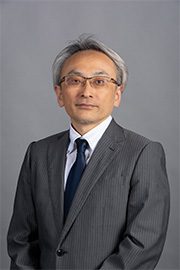
Kengo Ohnishi
Professor
Japan

Sandra Ramdial
Prosthetist
Canada

Alix Chadwell

Researcher

United Kingdom
Anniversary Research Fellow in Medicine and Medical Engineer at the University of Southampton, UK. Twitter @AlixChadwell
Corry van der Sluis
Professor

Netherlands
Professor and consultant in rehabilitation medicine at the University Medical Center Groningen,The Netherlands. Corry van der Sluis | LinkedIn


Liselotte Hermansson
Professor

Sweden
Affiliated professor of Occupational Therapy at Örebro University, Örebro, Sweden. ResearchGate

Ready to join us?
Click on the link below to let us know that you want to get involved with SIGUL.
Please note that you must be an ISPO member to join the group.
If you are not a member, but want to be on our mailing list for now, you can do that too.