All ISPO members are encouraged to join on a geographical basis to establish a Member Society to facilitate ISPO activities and to participate in ISPO governance through the International Committee representatives. Each Member Society is independent and implements activities that will further reinforce the ISPO mission and objectives within the MS country or region. ISPO Member Societies elect representatives from their membership to serve on the International Committee (IC).
Approved by the International Committee in May 2024 (IC Meeting #25), the updated ISPO Constitution outlines the Society’s governance, membership structure, committees, financial practices, and guiding principles.
Read More
This comprehensive revision reflects the evolving needs of ISPO’s global community and ensures alignment with current operational realities. It reinforces ISPO’s mission to enhance the quality of life for individuals benefiting from prosthetics, orthotics, mobility, and assistive technology through international collaboration, education, and standard-setting.
All ISPO members are encouraged to join together on a geographical basis to facilitate local ISPO activities, promote the profession and to participate in ISPO governance through International Committee representation.
Made up of representatives from Member Societies, this committee ensures ISPO’s policies reflect the professional, cultural, and geographical diversity of the membership. It is also responsible for electing the Executive Board, including the President, President-Elect, and Treasurer.
The ISPO Executive Board
Ensure effective organizational planning and engage in the strategic development of the organization, recommend actions to reach long-term goals
The International Committee
The International Committee (IC) is composed of representatives from ISPO’s Member Societies and members of the Executive Board. The committee ensures ISPO’s policies reflect the professional, cultural, and geographical diversity of its members.
Key responsibilities include:
Meeting every two years during the World Congress, with an additional interim meeting in non-congress years.
Electing the Executive Board and its Officers (President, President-Elect, and Treasurer).
Composition: Representatives from Member Societies & the Executive Board. Meetings: Annually (alternating at the World Congress). Key Duty: Ensuring policies reflect member diversity. Key Duty: Electing the Executive Board & Officers.
The Executive Board
The Executive Board (EB) is composed of the three (3) officers (President, President Elect, Treasurer) and 7 members. The Immediate Past-President is a member of the EB, without voting rights. In addition, Committee Chairs also participate in EB meetings (without voting rights).
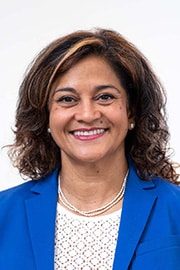
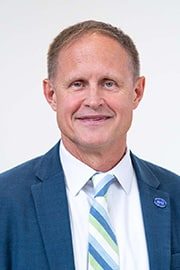
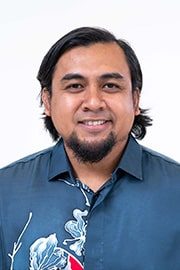
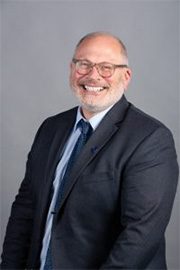
2025-2027 ISPO Executive Board
Sandra Ramdial
President Prosthetist/ Orthotist Canada
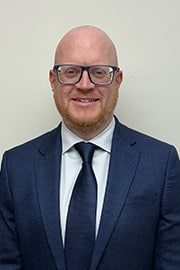
Bryan Malas
President-Elect Prosthetist/Orthotist USA
David Constantine
Immediate Past President Product Designer United Kingdom
Jon Batzdorff
Treasurer Prosthetist/Orthotist USA
Nasrul Anuar Abd Razak
Member Engineer Malaysia
Gerald Stark
Member Prosthetist/Orthotist USA
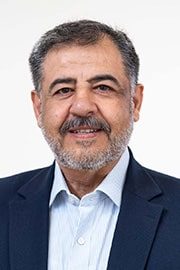
Raed Alkhattab
Member Prosthetist/Orthotist Jordan
Corry van der Sluis
Member Rehabilitation Physician Netherlands
Deirdre Desmond
Member Psychologist Ireland
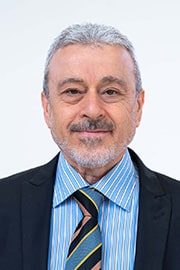
Youssef Salam
Member Prosthetist/Orthotist Lebanon
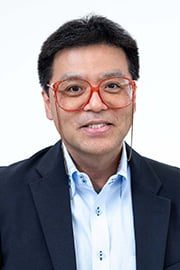
Shin Sasaki
Member Prosthetist/Orthotist Japan
The length of service for Executive Board members is designed to ensure leadership continuity.
Presidential Path: This is a six-year commitment, progressing through three roles:
Two years as President-Elect
Two years as President
Two years as Immediate Past President
Treasurer: Serves a two-year term and may be re-elected for one additional term.
Board Members: Serve a four-year term. To ensure continuity, members are elected in staggered groups at alternate World Congresses.
The Executive Board is responsible for:
Strategic Governance
Reviewing and upholding the Society’s mission and purpose.
Developing the organization’s long-term strategy and goals.
Ensuring all activities comply with the ISPO Constitution and Bylaws.
Establishing and updating policies for the Society’s operations.
Financial & Program Oversight
Securing adequate financial resources and funding for programs.
Managing the Society’s finances and overseeing the annual budget.
Monitoring all official activities, programs, and services.
Ambassadorship & Representation
Serving as ambassadors to enhance the Society’s public image.
Representing ISPO to key audiences and gathering feedback from members.